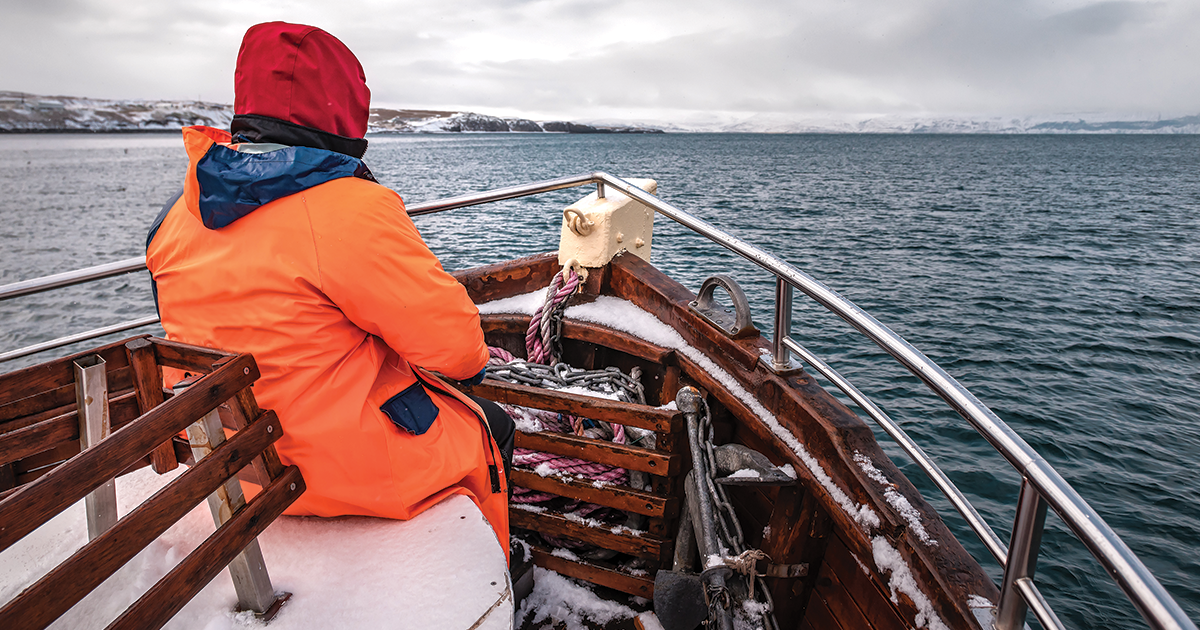
Each summer, the waters of Bristol Bay come alive with activity as thousands of fishermen take to the coastal and inland waters to harvest one of Alaska’s most valuable resources: sockeye salmon. While the season brings economic opportunity and cultural pride, it also brings long hours, extreme fatigue, physical strain, and increased health risks. At Camai Community Health Center, we’re here to help you stay safe, strong, and healthy—both on and off the boat.
Don’t let an injury take you off the water—get expert care at Camai before it becomes serious. Reach out today.
Why Fishing Safety Matters More Than Ever
Fishing is more than a job in this region—it’s a way of life. But every season, injuries, infections, and exhaustion threaten the health of even the most experienced fishermen. With long shifts, limited sleep, unpredictable weather, and remote locations, it’s no surprise that healthcare needs spike during peak fishing months.
The reason we emphasize safety is that every crew member has a responsibility to follow protocols and contribute to a strong safety culture on board. Building this culture ensures that everyone understands their role in preventing accidents and responding effectively in emergencies. Ongoing efforts to improve safety are supported by data from past seasons, which highlight the need for continuous improvement in safety practices.
That’s why we’re sharing practical, preventative safety tips to help you avoid the clinic—unless you’re just stopping by to say hi, of course.
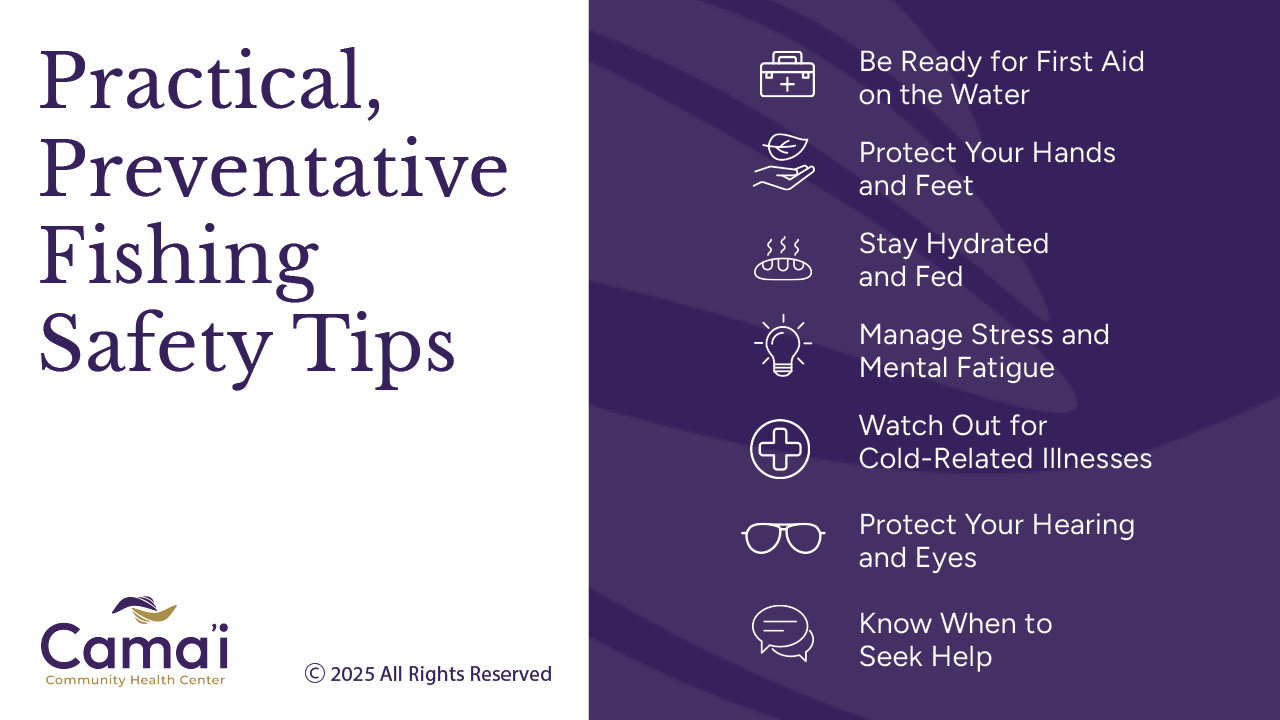
1. Be Ready for First Aid on the Water
Fishhooks, knives, gaffs, and rough equipment can easily lead to cuts, punctures, and infections. First aid kits and supplies should be provided and accessible in all key areas of the boat to ensure a quick response in emergencies. Keep your onboard first-aid kit fully stocked and ready for action. Additionally, make sure there is a PFD (Personal Flotation Device) for every angler on board.
Must-Haves:
- Waterproof bandages
- Antiseptic wipes and antibiotic ointment
- Tweezers and small scissors
- Cold packs
- Gloves
- Pain relievers
- Emergency contact info and first-aid instructions
Tip: If you get hooked or cut, clean the wound immediately. Signs of infection (redness, swelling, warmth, pus) should be taken seriously. Don’t wait—come see us at Camai if it’s not healing quickly.
2. Protect Your Hands and Feet
Wet boots, fish slime, and long hours on your feet can lead to blisters, athlete’s foot, trench foot, and fungal infections. Protective gear is key, and making hand and foot protection a habit is essential to prevent injuries. Avoid bad practices, such as working barefoot or with wet gloves, as these can easily result in injury.
Many injuries happen on the deck during activities like handling nets, working with lines, tying knots, or performing tasks at the bow. Be especially cautious during these activities to protect your hands and feet.
Smart Prevention:
- Wear moisture-wicking socks and change them daily.
- Use waterproof gloves to prevent cuts and infections.
- Apply barrier creams to protect your skin from salt and friction.
Tip: Come in if you see persistent cracking, discoloration, or pain—our providers can help before it gets worse.
3. Stay Hydrated and Fed—Even When You’re Exhausted
In the rush to deliver the best catch or while delivering gear during busy deck operations—especially at night—it’s easy to forget to eat or drink. But dehydration and low blood sugar can quickly lead to fatigue, headaches, dizziness, and poor judgment—none of which you want on a boat.
Tip: Make a habit of taking regular breaks to hydrate and eat, especially at the end of a long shift or during night work, to stay alert and safe.
Quick Solutions:
- Keep high-protein, shelf-stable snacks onboard.
- Drink water frequently—set phone reminders if needed.
- Avoid overdoing it on coffee or energy drinks (they can dehydrate you faster).
Tip: If you feel lightheaded or confused, take a break, hydrate, and don’t ignore the signs—fatigue can sneak up fast.
4. Manage Stress and Mental Fatigue
Being out on the water for days or weeks at a time can take a toll on your mental health, especially in commercial fishing. The high-pressure environment combined with physical exhaustion can increase the risk of anxiety, irritability, and even depression. Organization and establishing routines are essential for managing stress and maintaining mental well-being in such demanding conditions.
Safety training, classes, and courses are available for those experiencing stress or for those entering commercial fishing for the first time. Leading organizations and instructors have led efforts to provide mental health and safety training, and taking advantage of these resources can make a significant difference in your ability to cope with the challenges of commercial fishing.
Mental Health Matters:
- Talk with your crew, friends, or family. Stay connected.
- Practice deep breathing or short mindfulness exercises between shifts.
- Listen to music, journal, or find small ways to decompress.
Tip: Our behavioral health team at Camai is here for you, whether you’re home between trips or need to talk about something heavier. Confidential. Compassionate. No judgment.
5. Watch Out for Cold-Related Illnesses
Even during the summer, hypothermia and exposure risks are real in Alaska. Wet clothes, wind chill, and cold water immersion can lead to rapid heat loss.
To prevent cold-related illnesses, survival suits, flares, EPIRBs, and handheld VHF radios must be provided and ready on board all vessels and boats. These safety items, along with reliable hydraulic systems for emergency situations, are required by the state and have proved effective in preventing fatalities.
Stay Safe:
- Wear layers and stay dry whenever possible.
- Keep emergency blankets and dry gear onboard.
- Know the signs: shivering, slurred speech, clumsiness, confusion.
Tip: If someone is showing symptoms of hypothermia, get them warm and dry immediately, and seek medical care ASAP.
6. Protect Your Hearing and Eyes
Boat engines, winches, and rough weather can lead to hearing damage and eye injuries if you’re not protected. When you operate equipment on the deck, especially during activities like working with nets, handling lines, or performing tasks at the bow, always wear proper hearing and eye protection. Injuries can occur on board during specific activities, such as retrieving the ball or handling gear, so following safety procedures is essential.
Simple Fixes:
- Wear ear protection when operating loud equipment.
- Use polarized safety glasses to reduce glare and protect against debris.
Tip: If you notice changes in your hearing or vision, don’t tough it out—Camai offers screenings to help protect these essential senses.
7. Know When to Seek Help
We know fishermen are tough. But toughness doesn’t mean ignoring pain, infection, or injury. The skipper has a responsibility to ensure crew members seek help when needed, especially in emergencies like a man-overboard situation. In set gillnet fisheries, gillnet fisheries, and drift operations, injuries can happen quickly, and taking prompt action is essential. Over the years, safety improvements have reduced the number of serious incidents, but taking immediate steps remains critical. Game injuries are another reason to seek help. Camai Community Health Center offers walk-in care, primary care, and emergency services right here in Naknek. Whether it’s a small cut that isn’t healing, back pain that’s getting worse, or fatigue that won’t go away, we’re here to help.
What Makes Camai Different?
- We’re part of the community: Camai is a leading organization based in the Bristol Bay region. Our providers understand your lifestyle because we live and work right here in Bristol Bay, and the services provided are tailored to meet the unique needs of our fishing community.
- Flexible and accessible: Walk-ins are welcome, and we’re easy to reach when you’re onshore. Our organization ensures that essential health and safety resources are provided not only to the local community but also to fishermen and their families across the country.
- Whole-person care: From emergency care to nutritional guidance and mental health services, we’ve got you covered with a comprehensive range of services provided to support your well-being.
Stay Safe. Fish Strong. Camai’s Got Your Back.
Fishing season is a time of pride, purpose, and passion. Let’s keep it that way by putting health and safety first. Make safety a habit and always operate your vessel with care. You’re not just hauling in nets—you’re building a future for yourself and your family. Let Camai be part of that story by supporting your ongoing efforts to stay healthy and safe for every season to come.
Make safety your strongest catch—walk into Camai anytime for quick, compassionate care. Contact us today.