
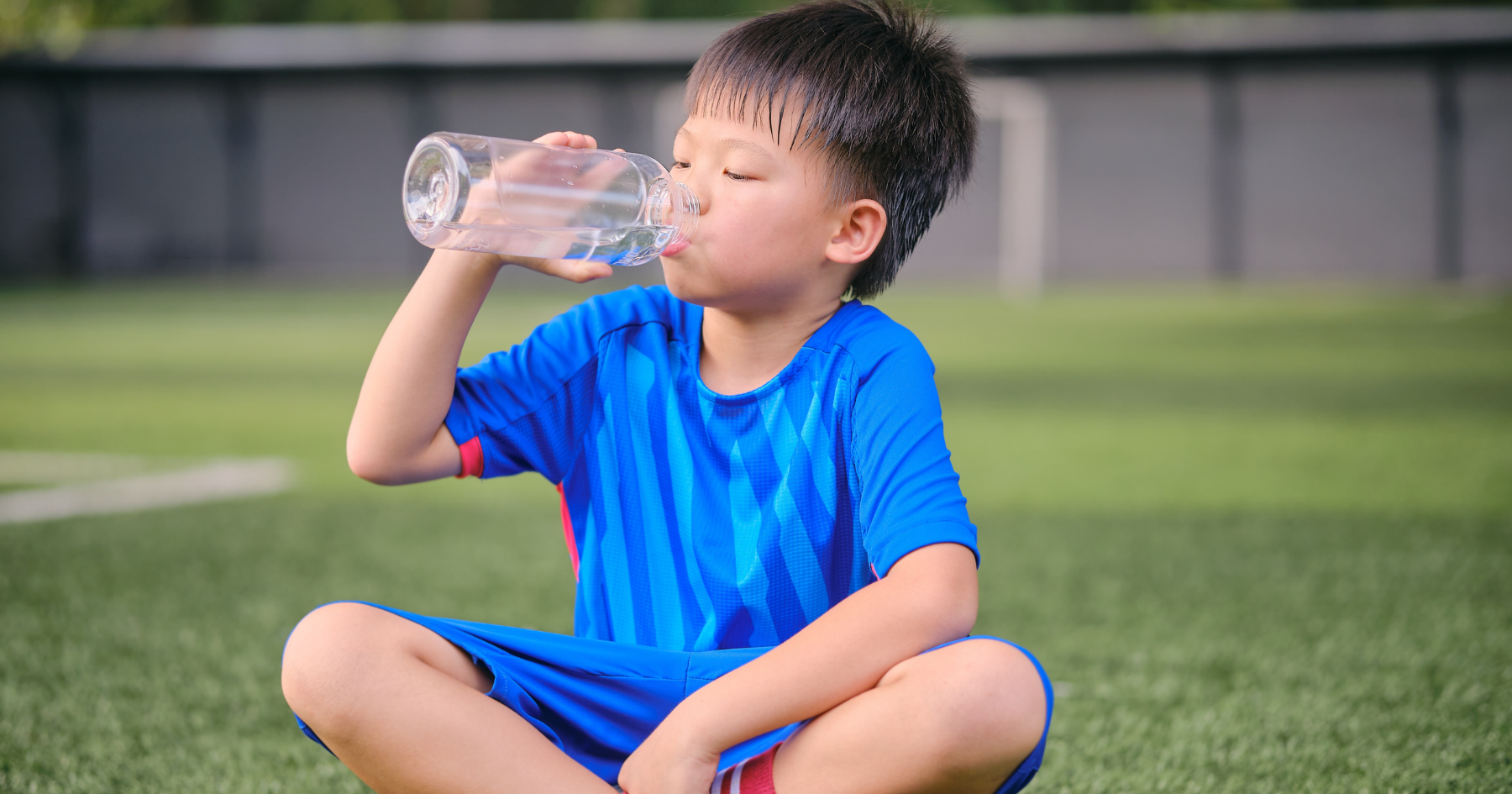
Summer in Alaska can feel mild compared to other places, but kids can still become dehydrated quickly, especially when they’re running outside, fishing, hiking, playing sports, traveling, or spending long days in the sun. In rural communities like Naknek, South Naknek, and King Salmon, summer routines often get busier, and hydration can easily fall through the cracks.
At Cama’i Community Health Center, we want families to feel prepared for the season ahead. Good hydration supports energy, mood, focus, digestion, nutrient absorption, temperature regulation, and overall health. For kids, it’s especially important because children are at higher risk of dehydration than adults and may not always recognize thirst or know when to take a break.
Here are 7 practical hydration tips to help your family stay healthy during the Alaskan summer.
Keep your family healthy this summer by scheduling a wellness visit with Cama’i Community Health Center.
1. Know How Much Water Kids Need
Hydration needs vary by age, size, activity level, and weather. A good general rule is that kids should drink about half their body weight in ounces of water each day. For example, an 80-pound child should aim for around 40 ounces daily.
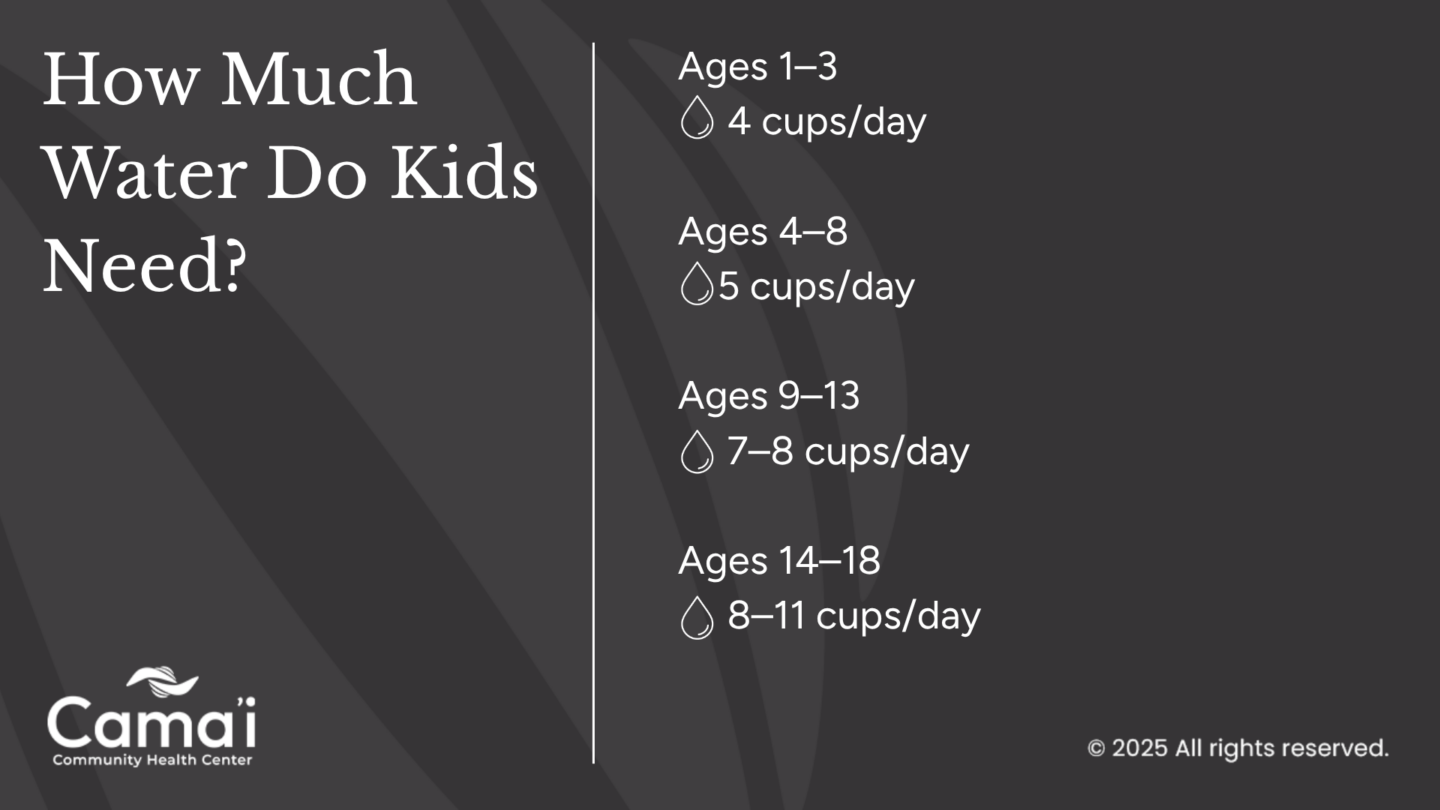
General daily fluid goals include:
- Ages 1–3: about 4 cups per day
- Ages 4–8: about 5 cups per day
- Ages 9–13: about 7–8 cups per day
- Ages 14–18: about 8–11 cups per day
Babies under 6 months typically do not need additional water unless a provider recommends it.
These numbers are a starting point. Kids may need more fluids during hot weather, long outdoor days, sports, or active play.
2. Start Hydration Early in the Day
Don’t wait until your child says they’re thirsty. By the time thirst shows up, dehydration may already be starting.
Encourage kids to drink water:
- When they wake up
- Before heading outside
- With meals and snacks
- Before, during, and after physical activity
A simple morning routine, like breakfast, water bottle, sunscreen, and gear, can help make hydration automatic.
For younger children, reminders from adults are especially important. Kids often get distracted by play and may ignore thirst until they’re already tired, cranky, or overheated. Regular reminders help establish good hydration habits over time.
3. Send Kids Out With a Water Bottle
A reusable water bottle makes hydration easier throughout the day.
Choose one that is:
- Easy for your child to open
- Durable enough for outdoor play
- Labeled with their name
- Fun or colorful enough that they want to use it
If your child is headed to camp, daycare, sports practice, fishing, or a long day outside, make sure water is packed and easy to reach.
Fun water bottles, sticker charts, or simple water goals can help motivate kids to drink more. You can also mark time goals on the bottle to help kids know how much to drink by lunch, afternoon, and dinner.
4. Watch for Signs of Dehydration
Kids may not always explain how they feel clearly, so parents and caregivers should watch for signs.
Common dehydration symptoms include:
- Dry mouth
- Headache
- Dizziness
- Fatigue or lethargy
- Dark yellow urine
- Fewer bathroom breaks
- Irritability
- Muscle cramps
Urine color can be a helpful clue. Clear or pale yellow urine usually means a child is well hydrated, while dark yellow urine may indicate dehydration.
In babies and toddlers, watch for:
- Fewer wet diapers
- Little to no tears when crying
- Unusual sleepiness
- Dry mouth
- Sunken eyes
If symptoms are mild, encourage rest, water, and shade. Dehydration can lead to serious medical problems in children, so if symptoms are severe or your child is confused, fainting, vomiting, unusually lethargic, or unable to keep fluids down, seek medical care right away.
5. Make Water More Appealing
Not every child loves plain water, and that’s okay. You can make hydration more enjoyable without relying on sugary drinks.
Try adding:
- Berries
- Cucumber slices
- Lemon
- Orange slices
- Mint
- Strawberries
Infusing water with fruits or herbs can add flavor and fun while still keeping water the main drink.
You can also offer herbal iced tea without added sugar, diluted fruit juice, or homemade fruit popsicles.
Limit sugary drinks whenever possible. Soda, sports drinks, energy drinks, and sweetened beverages can contribute to dehydration, increase sugar intake, and affect sleep, mood, and energy. For most activities lasting less than an hour, water is usually enough.
6. Use Hydrating Foods
Hydration doesn’t only come from drinks. Many foods contain water and can help kids stay hydrated during busy summer days.
Hydrating foods include:
- Watermelon
- Cucumbers
- Strawberries
- Oranges
- Berries
- Apples
- Tomatoes
- Yogurt
- Soups
In rural Alaska, fresh produce may not always be easy to access, but frozen fruit, canned fruit packed in water, and homemade soups can still support hydration.
Pair hydrating foods with protein-rich options like eggs, fish, yogurt, nut butter, or lean meat to help kids stay full and energized.
7. Build Breaks Into Outdoor Play
When kids are having fun, they may not want to stop. But scheduled breaks help prevent dehydration and overheating.
Try a simple rule:
- Water before play
- Water during breaks
- Water after activity
During active play, offer drinks every 15–20 minutes, especially if kids are running, biking, hiking, fishing, or playing sports. These breaks also give you a chance to check for fatigue, sunburn, insect bites, or signs that your child needs rest.
Hydration helps maintain body temperature during physical activity and supports focus, stamina, and recovery. Even mild dehydration can affect children’s energy and cognitive performance, so small water breaks matter.
Hydration and Summer Safety Go Together
Hydration is one part of keeping kids safe during active summer days, but it works best when paired with other healthy habits. Encourage children to take regular rest breaks, wear lightweight layers, and spend time in the shade when the sun feels strong. Even in Alaska, kids can lose fluids quickly when they are running, hiking, fishing, biking, or playing for long stretches.
Parents and caregivers can also make hydration part of the family routine instead of waiting until a child seems tired or thirsty. Pack water before leaving home, offer drinks with every snack, and remind kids that drinking water helps their bodies stay cool, focused, and ready to keep playing. If your child has been sweating, has had diarrhea or vomiting, or has been outside for several hours, they may need extra fluids and closer monitoring.
The American Academy of Pediatrics notes that children should drink water before, during, and after physical activity, with more frequent water breaks during hot or humid conditions.
When to Call Cama’i
Most mild dehydration can improve with rest and fluids, but some symptoms need medical attention.
Call Cama’i or seek care if your child has:
- Dizziness that does not improve
- Vomiting or diarrhea
- Confusion or unusual behavior
- Fainting
- Very dark urine or no urination
- Rapid heartbeat
- Sunken eyes
- Extreme fatigue or lethargy
- Signs of heat illness
Cama’i Community Health Center is here to support families throughout the summer with primary care, urgent care, and guidance for staying healthy.
Keep Kids Hydrated, Healthy, and Ready for Summer
Hydration is one of the simplest ways to protect your child’s health during the Alaskan summer. With a little planning, you can help kids stay energized, focused, and ready for everything the season brings, from playtime and fishing to travel and family adventures.
If you have questions about hydration, nutrition, summer safety, or your child’s health, Cama’i Community Health Center is here to help.