When the snow falls and the rivers freeze, maintaining a balanced diet in rural Alaska can be challenging—but it’s also vital to good health. During the winter months across Western Alaska, limited daylight, cold weather, and reduced access to fresh produce can lead to vitamin D deficiencies, lower energy, and changes in eating habits.
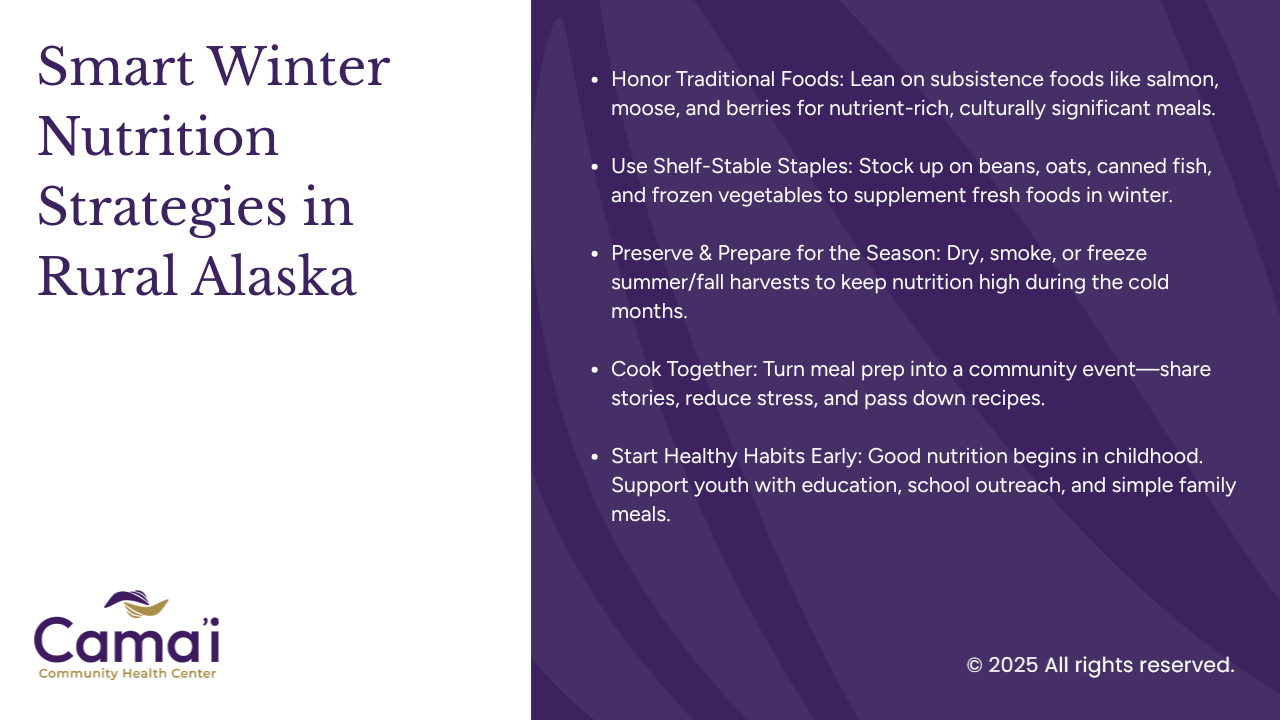
At Cama’i Community Health Center, we believe that winter nutrition isn’t just about what’s available; it’s about honoring traditional foods, using subsistence knowledge, and making the most of what the land and waters provide. Elders have long shared the skills and wisdom of hunting, fishing, cooking, helping others, and language that shape our cultural heritage. That’s why we offer education and resources to help families stay nourished, combining subsistence foods and shelf-stable staples to create lasting wellness.
Starting healthy habits early in life, even during pregnancy and infancy, helps build a foundation for lifelong health and cultural continuity.
Connect with Cama’i today for personalized nutrition support tailored to rural Alaska’s unique winter needs.
Food Security and the Role of Traditional Foods
A Growing Concern in Rural Alaska
Food security, reliable access to healthy, affordable food, is a major issue in many rural Alaska communities, especially during the cold months when store-bought produce is scarce and expensive.
But for many Alaska Native communities, food security goes beyond just having enough to eat. It also means:
- Preserving traditional food practices
- Protecting access to subsistence foods
- Maintaining a connection to land, culture, and identity
The Power of Subsistence Foods
Wild foods such as salmon, berries, moose, seal, and wild greens play a vital role in both nutrition and cultural survival. These foods are:
- High in nutrients, including quality protein, healthy fats, and essential vitamins
- Part of long-standing food traditions passed down through generations
- Typically lower in processed ingredients that contribute to chronic disease
For many indigenous peoples, hunting, fishing, and harvesting are more than seasonal activities—they are cornerstones of health and heritage.
Climate Change and Cultural Concerns
Changes in weather and land conditions have made traditional harvesting more difficult. For example:
- Unpredictable river ice has made winter fishing unsafe in areas like the Yukon-Kuskokwim Delta
- Elders are expressing concern about the loss of traditional diets
- The shift toward Western foods has increased the risk of health problems like diabetes and obesity
This shift has created a deep worry for the health of future generations.
Why Local and Seasonal Matter
Eating real food, the kind your body recognizes and thrives on, offers major benefits over processed or fast food options.
- Wild foods often taste better and deliver more nutrition
- Local diets support cultural continuity and self-sufficiency
- Traditional meals bring families and communities together
And by preserving, storing, and sharing these foods, families can ensure they stay nourished through the entire winter.
Smart Eating When Fresh Produce Is Limited
In the darker months, when fresh vegetables are harder to find, try adding these options to your diet:
- Frozen produce: Frozen vegetables and fruits are often just as nutritious as fresh and last much longer. Organic options are preferable when available.
- Canned goods: Look for low-sodium canned beans, corn, peas, and tomatoes to add fiber and nutrients to meals.
- Shelf stable staples: Whole grains (like oats and brown rice), dry beans, lentils, and nuts store well and provide lasting energy.
- Fermented or pickled foods: Preserving summer harvests through traditional or modern techniques gives you nutrient-rich options all year long.
Healthy soil is essential for growing nutrient-rich crops, even in small-scale or home gardens.
For Alaska Natives and other rural residents, food preferences often combine store-bought items with traditional foods. At Cama’i, we encourage using what’s available while keeping an eye on balance—mixing subsistence foods with healthy pantry staples.
Cooking, Culture, and Community
Food as Tradition and Connection
In Indigenous communities, food is more than nutrition, it’s a way to preserve culture, tell stories, and bring people together. Cooking and sharing meals help:
- Pass down traditional knowledge
- Celebrate seasonal harvests
- Strengthen identity and belonging
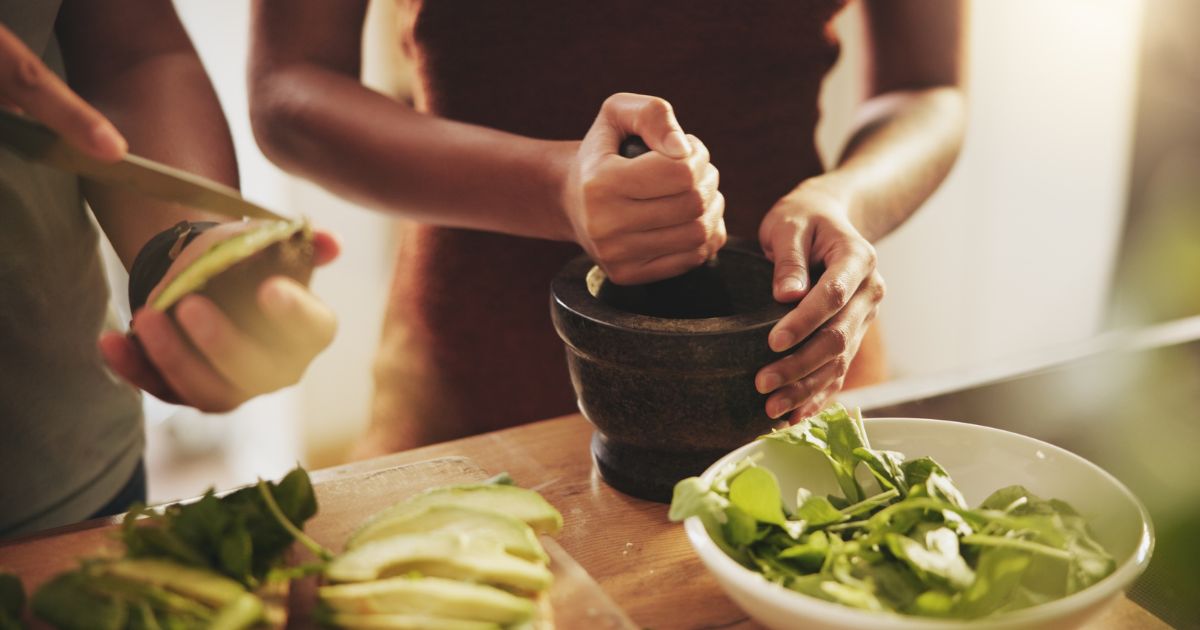
Whether it’s at fish camps, family kitchens, or community gatherings, preparing traditional dishes is a powerful act of cultural continuity.
Taking time to listen to elders’ stories and learn about traditional cooking methods is an important part of keeping heritage alive.
Even when fresh ingredients are limited, cooking together can make a big impact. It can:
- Relieve stress during the long winter months
- Boost mood and foster connection
- Encourage healthy choices for both youth and elders
Simple moments, like making bannock with your kids, helping an elder dry fish, or exploring a new family recipe, can bring joy, comfort, and togetherness.
Vitamin D and Winter Wellness
Less sunlight during the winter affects more than just your mood—it can also reduce your body’s production of vitamin D, which plays a key role in bone health, immune function, and mental health. For people living in northern populations, especially in Alaska, this is a serious concern.
Consider:
- Asking your provider about a vitamin D supplement (especially if you’re feeling tired or noticing sad symptoms)
- Incorporating vitamin D-rich foods like oily fish (e.g., salmon), eggs, and fortified dairy or plant milks
- Using SAD lamps or light therapy devices to simulate sunlight and support mood and energy
Cama’i providers are available to check your vitamin levels and help create a personalized plan to maintain health through the winter.
Supporting Families Through Cold Seasons
When nutrition is overlooked, it can affect everything from child development to chronic disease. That’s why it’s especially important to support parents, children, and elders with resources, education, and access to healthy food options.
Cama’i partners with tribal councils, Alaska Department of Health programs, and regional initiatives to support families in need. We can help with:
- WIC and SNAP enrollment
- Nutrition counseling
- Referrals to food banks and community resources
- Access to traditional food programs
Whether you’re worried about your pantry or just want to eat better this winter, our team is here to support you all the way.
A Holistic Approach to Winter Health
At Cama’i, we understand that nutrition is just one part of staying healthy in winter. That’s why we offer a holistic approach that blends modern care with community wisdom. We believe in food as medicine—and in honoring the powerful connection between land, health, and cultural identity.
Our care model includes:
- Primary care services that focus on prevention and education
- Behavioral health support to manage stress, anxiety, or seasonal affective symptoms
- Chronic disease management for those with diabetes, high blood pressure, or other conditions affected by diet
- Culturally-informed care that listens, adapts, and respects each person’s unique background and food history
Keep It Simple, Keep It Real
You don’t need fancy meals or expensive ingredients to stay healthy. Start small:
- Add one vegetable to each meal
- Cook in bulk and freeze portions for later
- Replace soda with water or herbal teas
- Share meals with others when possible—it’s good for your body and your mental health
Most importantly, trust your instincts and stay connected to your community. You’re not alone in facing winter’s challenges—and with a little creativity and support, you can eat well and feel well, all season long.
If you’re looking for support with winter nutrition in rural Alaska, reach out to Cama’i Community Health Center. Let us help you cook up something nourishing this season—for your body, your family, and your life.