
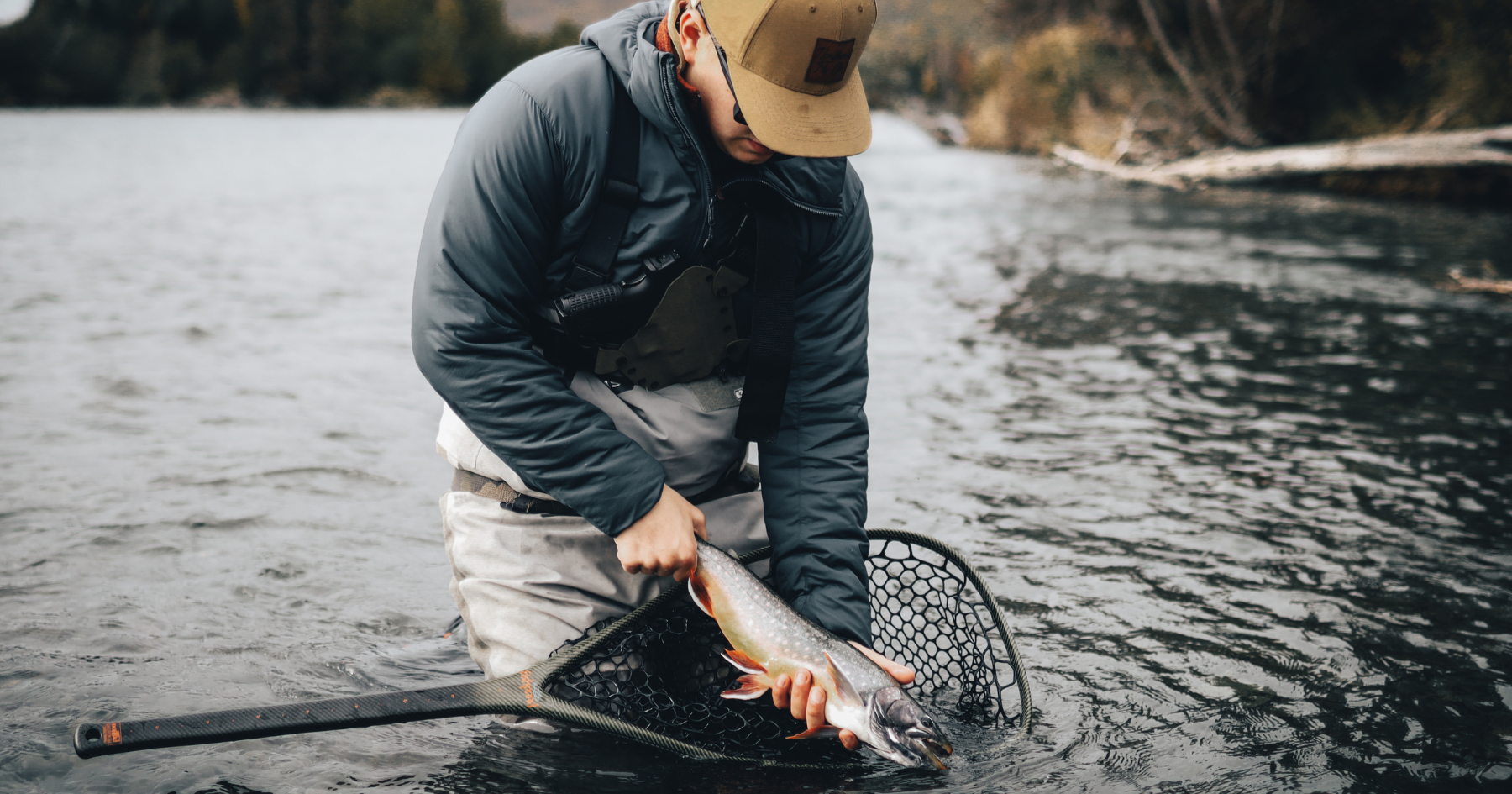
Fishing season in Bristol Bay is demanding, fast-moving, and physically intense. Whether you’re working long hours on a boat, helping process fish, hauling gear, or preparing for time on the water, your body takes on a lot during the season. Cuts, fish-hook injuries, muscle strains, dehydration, and fatigue can happen quickly, especially when the days are long and the work is repetitive.
At Cama’i Community Health Center, we’re here to help Bristol Bay residents, seasonal workers, and families stay safe, strong, and supported throughout fishing season. A little prevention can go a long way toward keeping you healthy and ready for the work ahead.
Need care during fishing season? Cama’i provides primary care, urgent care, and emergency services right here in Naknek.
If a fishing injury happens this season, visit Cama’i for prompt wound care, injury evaluation, and follow-up support.
Why Fishing Injuries Are So Common in Bristol Bay
Fishing season often means long shifts, wet surfaces, sharp tools, heavy lifting, and unpredictable weather. Even experienced fishermen and crew members can get hurt when fatigue sets in or conditions change quickly.
Common fishing-related injuries include:
- Fish-hook punctures
- Cuts from knives, gear, or equipment
- Sprains and strains
- Back, shoulder, and wrist injuries
- Dehydration and muscle cramps
- Slips, falls, and deck injuries
- Infections from untreated wounds
The good news is that many of these injuries can be prevented with preparation, awareness, and early care.
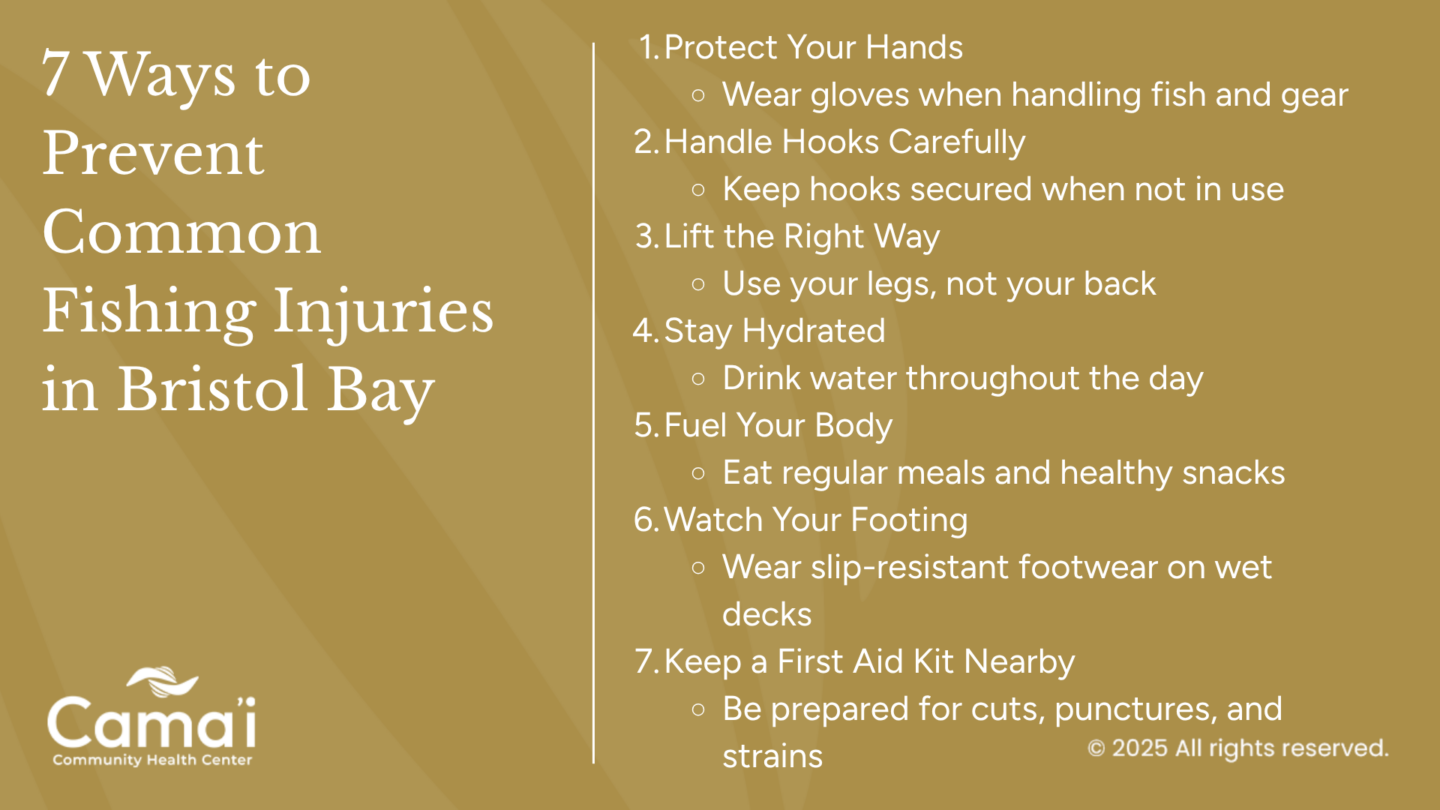
1. Take Fish-Hook Injuries Seriously
Fish-hook injuries are common during Bristol Bay fishing season, but they should never be brushed off. Hooks can puncture deeply, damage tissue, and introduce bacteria into the skin.
If someone gets hooked:
- Do not yank the hook out if it is deeply embedded
- Wash the area with clean water if available
- Cover the injury with a clean bandage
- Seek medical care if the hook is deep, near the eye, near a joint, or difficult to remove
You should also seek care if there is bleeding that won’t stop, numbness, severe pain, or signs of infection.
Cama’i can help with safe hook removal, wound cleaning, infection prevention, and tetanus updates when needed.
2. Prevent Cuts and Puncture Wounds
Knives, fish spines, hooks, gaffs, and metal equipment all increase the risk of cuts and puncture wounds. In wet environments, even a small cut can become infected if it is not cleaned and protected.
To reduce your risk:
- Wear protective gloves when handling fish or gear
- Keep knives sharp and stored safely
- Use proper lighting when working early or late
- Keep a stocked first aid kit nearby
- Clean wounds immediately
Watch for signs of infection, including redness, swelling, warmth, pus, increasing pain, or fever. If a cut is not healing or begins to look worse, don’t wait. Early treatment can prevent a small wound from becoming a serious issue.
3. Protect Your Back, Shoulders, and Wrists
Fishing is repetitive work. Lifting, pulling, casting, bending, and standing for long hours can strain the body, especially the back, shoulders, elbows, and wrists.
Common overuse injuries include:
- Lower back strain
- Shoulder irritation or rotator cuff strain
- Wrist pain
- Tennis elbow
- Muscle cramps
Prevention starts before and during the season. Stretching, strengthening, and using better body mechanics can make a real difference.
Helpful habits include:
- Lift with your legs, not your back
- Keep heavy gear close to your body
- Avoid twisting while carrying weight
- Switch tasks when possible to reduce repetitive strain
- Stretch wrists, forearms, shoulders, and back before and after long shifts
If pain is sharp, worsening, or limiting your ability to work, it is worth getting checked. Working through pain can make an injury harder to treat later.
4. Stay Hydrated During Long Fishing Days
Dehydration can happen even when the weather is cool. Wind, sun, physical labor, caffeine, and long shifts all increase fluid loss.
Signs of dehydration may include:
- Headache
- Dizziness
- Muscle cramps
- Fatigue
- Dark urine
- Irritability or confusion
To stay hydrated:
- Drink water regularly throughout the day
- Use electrolytes during long shifts
- Limit alcohol and too much caffeine
- Keep water easy to access on the boat or worksite
Hydration supports energy, focus, and reaction time, all of which matter when you’re working around water, sharp tools, and heavy equipment.
5. Fuel Your Body for Strength and Focus
Fishing season is hard on the body, and skipping meals can increase fatigue and injury risk. Your body needs steady fuel to stay alert, strong, and coordinated.
Try to include:
- Lean protein, such as fish, eggs, chicken, or moose
- Whole grains for long-lasting energy
- Fruits and vegetables when available
- Healthy fats from fish, nuts, or seeds
Simple options like salmon, rice, oatmeal, boiled eggs, jerky, trail mix, and frozen vegetables can help keep energy steady during long workdays.
Cama’i’s dietary services can help with realistic nutrition guidance for long shifts, diabetes management, blood pressure concerns, or general wellness.
6. Make Boat and Deck Safety a Habit
Wet decks, moving gear, rough weather, and fatigue all increase the risk of falls and serious injury.
Protect yourself by:
- Wearing footwear with good traction
- Keeping walkways as clear as possible
- Wearing a life jacket when working near deep water
- Checking weather conditions before heading out
- Avoiding unnecessary risks during storms or poor visibility
A stocked first aid kit, working communication equipment, and a clear emergency plan are essential. Everyone on board should know where safety supplies are located and what to do if someone is injured.
7. Watch for Fatigue and Know When to Rest
During peak fishing season, exhaustion can feel normal—but serious fatigue can increase your risk of injury. When you’re tired, your reaction time slows, your balance may be affected, and it becomes easier to make mistakes around sharp tools, heavy gear, or deep water.
Signs you may need rest include:
- Feeling lightheaded or unusually weak
- Trouble focusing
- Increased clumsiness
- Irritability or confusion
- Headaches or muscle heaviness
Rest is not wasted time. It is part of staying safe. When possible, rotate tasks, take short breaks, eat regularly, and let someone know if you’re feeling off. A rested crew is a safer crew, and even a few minutes to hydrate, stretch, or sit down can help prevent accidents.
8. Keep Your First Aid Kit Ready and Easy to Reach
A first aid kit should be easy to access during every fishing trip, not buried under gear or left behind onshore. When minor injuries happen, quick care can reduce the risk of infection, bleeding, or worsening pain.
A good fishing-season first aid kit should include:
- Waterproof bandages and gauze
- Antiseptic wipes or wound wash
- Medical tape
- Gloves
- Tweezers
- Pain relievers
- Cold packs
- Emergency contact information
Check your kit before the season starts and replace anything expired, wet, or missing. Everyone on the boat or worksite should know where it is and how to use the basics. Being prepared does not replace medical care, but it can help stabilize a situation until you can get help from Cama’i or emergency services.
9. Know When to Visit Cama’i
Some injuries can be handled with basic first aid. Others need medical attention quickly.
Visit Cama’i or seek emergency care for:
- Deep cuts or puncture wounds
- Fish-hook injuries that are deep or difficult to remove
- Signs of infection
- Severe back, shoulder, or joint pain
- Head injuries
- Dehydration symptoms that don’t improve
- Chest pain, shortness of breath, or fainting
- Any injury that affects movement, feeling, or function
Cama’i Community Health Center provides emergency care, primary care, wound care, medication support, and follow-up services for people in Bristol Bay. We’re here to help you recover safely and get back to your life.
Stay Safe and Strong This Fishing Season
Fishing season is part of the rhythm of life in Bristol Bay. It brings hard work, long days, and a deep connection to the water and community. But staying healthy matters just as much as staying productive.
By preventing injuries, staying hydrated, protecting your body, and seeking care early when something feels wrong, you can help make this a safer and stronger season.
If a fishing injury happens this season, visit Cama’i for prompt wound care, injury evaluation, and follow-up support.